




Why Your Skin Needs a Natural Glow: Getting Rid of SLS and Parabens
Making the switch to natural and organic skincare products free from SLS and parabens can help support your skin’s natural moisture barrier and overall wellbeing.
With so many skincare products promising fast results, it can be difficult to know what is truly good for your skin. Many conventional beauty products contain synthetic ingredients that may cause irritation or dryness.
If you want healthy, glowing skin for years to come, it may be time to explore natural cosmetics and skincare products.
The True Cost of Conventional Skincare
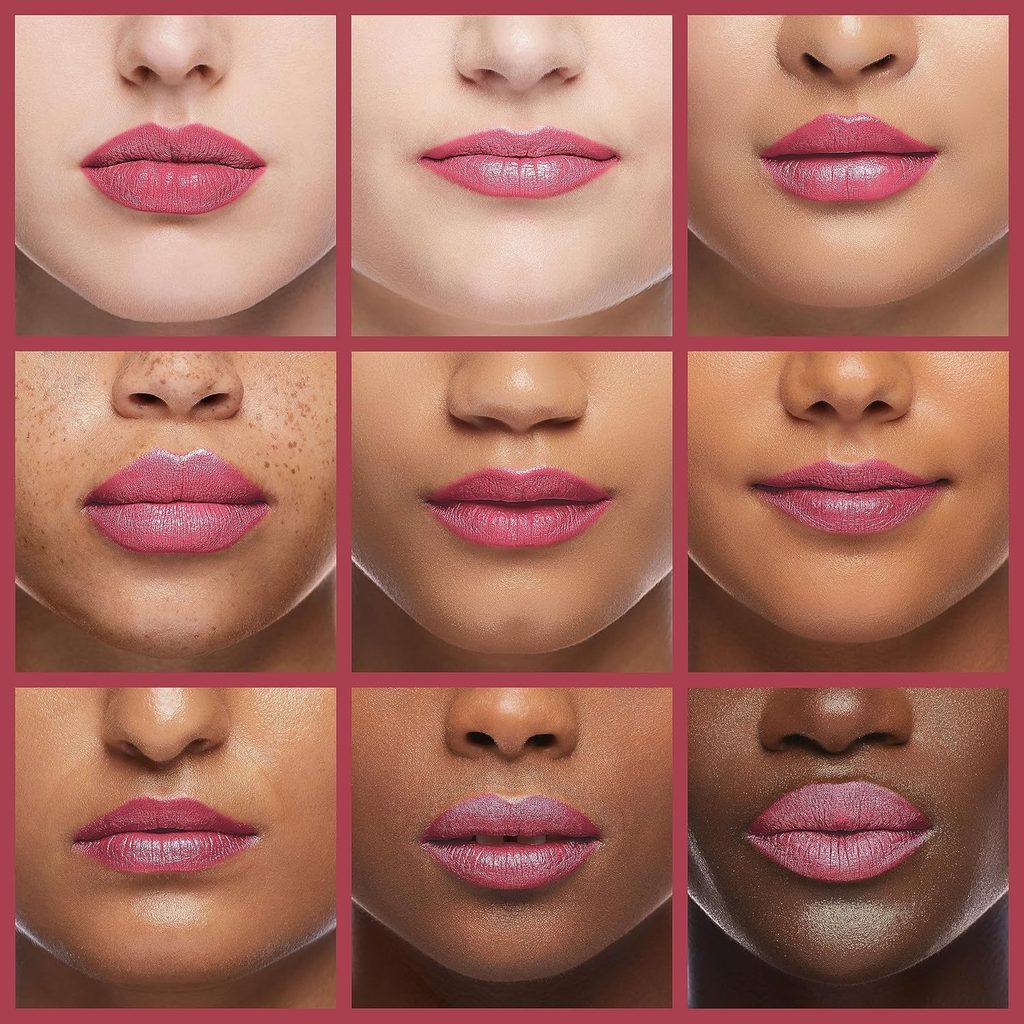
Your skin comes into direct contact with everything you apply to it, from cleansers and lotions to serums and moisturizers.
While not every synthetic ingredient is harmful, some common skincare ingredients may irritate sensitive skin or disrupt its natural moisture balance.
Two ingredients often discussed in conventional beauty products are Sodium Lauryl Sulfate (SLS) and parabens.
What Is Sodium Lauryl Sulfate (SLS)?
Sodium Lauryl Sulfate, commonly known as SLS, is a cleansing agent used to create foam and remove dirt and oils from the skin.
It is commonly found in:
- Face washes
- Body washes
- Shampoos
- Cleansing products
How Can SLS Affect Your Skin?
SLS can be harsh on some skin types, especially sensitive or dry skin.
It may:
- Remove natural oils from the skin.
- Cause dryness and irritation.
- Increase skin sensitivity.
- Contribute to a weakened moisture barrier in some individuals.
Choosing gentle, SLS-free cleansers may help maintain your skin’s natural hydration.
What Are Parabens?
Parabens are preservatives used in cosmetics and skincare products to prevent the growth of mold and bacteria.
They help extend product shelf life and maintain product safety.
Why Do Some People Avoid Parabens?
Some consumers prefer paraben-free skincare because of concerns surrounding certain paraben compounds and their potential hormonal effects.
Although approved parabens are regulated for cosmetic use, people with sensitive skin or those seeking simpler skincare routines may prefer products made with alternative preservatives.
Why Choose Natural and Organic Skincare?
Natural skincare products focus on plant-derived oils, botanical extracts, and other naturally sourced ingredients.
When carefully formulated, these products can provide hydration and nourishment without relying on harsh cleansing agents.
1. Plant Oils and Butters
Natural ingredients such as jojoba oil, shea butter, and argan oil can help moisturize and soften the skin.
Benefits of Plant-Based Oils
- Provide essential fatty acids.
- Support the skin’s moisture barrier.
- Help reduce dryness.
- Leave skin feeling soft and nourished.
Not every oil suits every skin type, so choosing ingredients according to your skin’s needs is important.
2. Botanical Antioxidants
Botanical ingredients such as green tea, aloe vera, and fruit-derived antioxidants are popular in natural skincare.
These ingredients may help:
- Soothe the skin.
- Support hydration.
- Protect against environmental stressors.
- Improve the overall appearance of dull skin.
3. Gentle Preservatives
Natural and clean beauty brands often use alternative preservation systems, including certain approved preservatives and antioxidant ingredients.
Important: Vitamin E can help slow oil oxidation, but it does not replace a complete preservative system for products containing water.
Proper preservation is essential for keeping skincare products safe and effective.
Natural Skincare for a Healthier Moisture Barrier
Your skin has a natural protective barrier that helps retain moisture and defend against environmental irritants.
Harsh cleansers, excessive exfoliation, and unsuitable skincare products may disrupt this barrier.
A gentle skincare routine can help support:
- Better hydration.
- Softer skin.
- Reduced dryness.
- A healthier-looking natural glow.
How to Make the Switch to Natural Skincare
Changing your skincare routine does not need to happen overnight.
Start with a few simple changes and give your skin time to adjust.
1. Read the Ingredients Label
Look for products labelled:
- SLS-free
- Paraben-free
- Fragrance-free, especially if you have sensitive skin
Always check the complete ingredient list rather than relying only on marketing claims.
2. Choose Simple Formulas
Begin with gentle products that support your skin’s basic needs.
Consider adding:
- A mild cleanser.
- An oil-based or cream cleanser.
- An alcohol-free toner.
- A nourishing moisturizer.
- A broad-spectrum sunscreen.
3. Select Ingredients Suitable for Your Skin Type
Different skin types have different requirements.
| Skin Type | Ingredients to Consider |
|---|---|
| Dry Skin | Shea butter, jojoba oil, ceramides |
| Oily Skin | Lightweight moisturizers, aloe vera |
| Sensitive Skin | Fragrance-free, gentle formulas |
| Combination Skin | Balanced hydration and lightweight oils |
4. Introduce Products Gradually
Avoid replacing your entire skincare routine at once.
Introduce one new product at a time and perform a patch test when appropriate to check for potential irritation.
5. Stay Consistent With Your Routine
Natural skincare is not about instant transformation.
Consistent use of suitable products, along with sun protection and a healthy lifestyle, can help your skin look and feel its best over time.
Give Your Skin Time to Adjust
Switching to natural skincare is a gradual process.
Unlike products that promise instant results, gentle skincare focuses on supporting your skin’s natural balance.
Be patient, observe how your skin responds, and make adjustments when necessary.
Final Thoughts
Choosing natural and organic skincare products can be a meaningful step toward a simpler, more mindful beauty routine.
By avoiding ingredients that irritate your skin and selecting nourishing, well-formulated products, you can support your skin’s natural moisture barrier and maintain a healthy-looking glow.
Healthy skin starts with understanding what you apply to it.